The Impractical Immigrant Guide to Life in the UK: Ethics of Public Transportation

This is one you need to get to grips with quickly especially if you don’t own a car. Danfo buses are very prevalent in Lagos, Nigeria and are the main source of transportation for millions of people daily. The modus operandi with these particular types of buses in Lagos is really ‘first come first serve’ in the realest form. No queuing, just standing alert waiting for a bus going your direction with a free seat. There are really no bus timetables to work with, buses come when they come. Once the bus arrives you hop on as quickly as you can and with the most agility you can muster. It doesn’t matter if you were the last person to get to the bus stop; and so in an egalitarian sense you should be the last to get on the bus. No, you just need to be fast. The last becomes the first – if fast. Once aboard said Danfo, anything really should be expected. Silence is a rare possibility. What is more likely is boisterous, sporadic conversation. Sometimes that conversationality features in the form of arguments but nonetheless, conversation with strangers is very normal and unsurprising in these jam packed buses. Personal space isn’t a thing. All you need is a seat and just about enough oxygen . One has hardly lived the Lagos life until they’ve experienced the drama of Danfo buses.
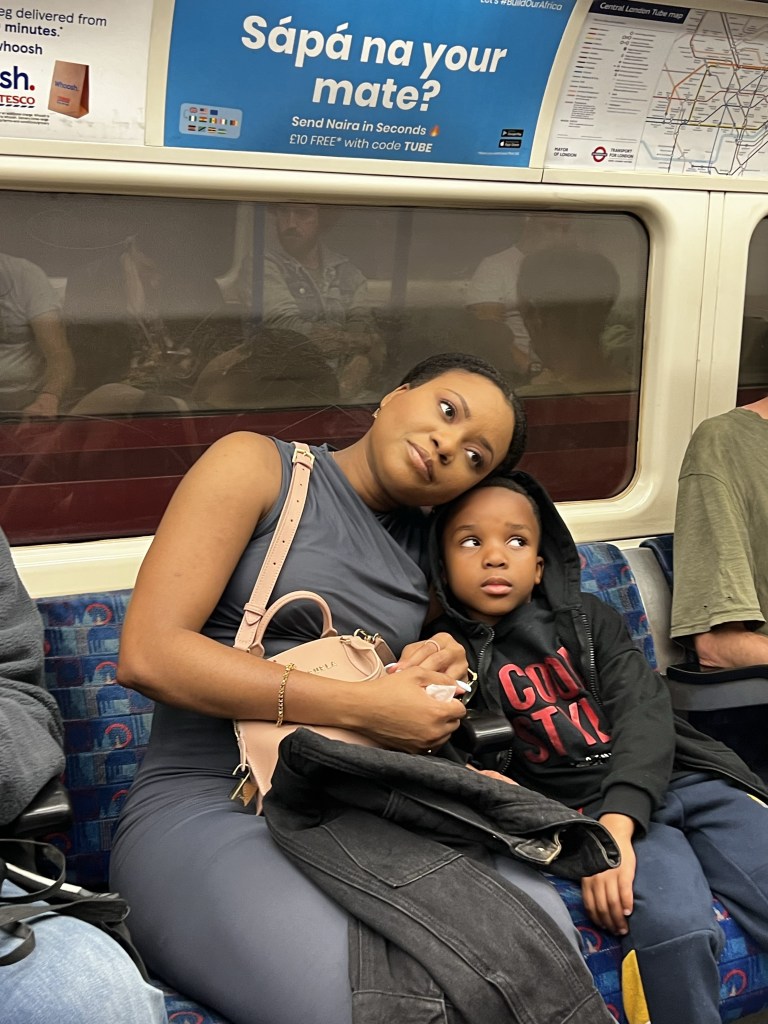
My nephew and I minding our business on the London Underground

Danfo buses provide a transient platform for discussion on ethics, morality and incredulity. As Lagos is such a buzz, with a trillion things happening all at once and all around, discussion topics are never scarce. There’s always someone somewhere doing or saying something weird which sparks commentary from Danfo passengers. Alternatively, there could be an argument between the bus conductor and a passenger which warrants other passengers to intervene. Danfo buses are not ideal for quietly reading a book on your daily commute. They are more suited for engaging in fiery conversations or altercations, which means you arrive at work fully awake and energised. Again, these conversations, which everyone is usually welcome to join in, make you a part of something, your voice matters.

A Danfo

Now, transportation in the UK almost has no similarity to voyaging in Lagos beyond the fact that you are conveyed from one place to the other. Everything from the speed, comfort and vibe with which you get to your destination is different.

As a new immigrant one of the first things you should figure out is to identify when you need to queue. British people take this seriously. I was once told off by a granny in my early days in the UK for jumping a queue unknowingly. If you see people huddled around a bus stop or even on the underground platform (though very rare) in something that looks even vaguely like a line, make sure to confirm whether or not it is a queue before hustling to the closest possible spot that gives you quick access to vehicle entry like I usually do. For someone used to using speed and wits to get on public transport back home, having to humbly queue is annoying and underwhelming but it is what it is.

If you live in London and you are on the underground, as a newbie London commuter, you are advised to either take a seat or have a firm grip on something. Do not compare yourself to those people who seem to be able to keep their stamina while free standing and holding on to nothing. They are at the pro level of underground commuter travel. Except you have previous experience travelling on underground trains in some other part of the world , you are a novice. If you do not hold on to something steady, you will be caught off guard when the train suddenly jerks, and jerk it will. If you are lucky you will only stagger dangerously, if you are not so lucky you will barge into someone else or outright fall to the floor. And if you read my previous post on how the English respond to minor mishaps, you will know once you do fall you are very likely to be respectfully ignored except you obviously hurt yourself or someone else. So until you master the craft of free standing on the London underground, seat down or hold something. Be humble.
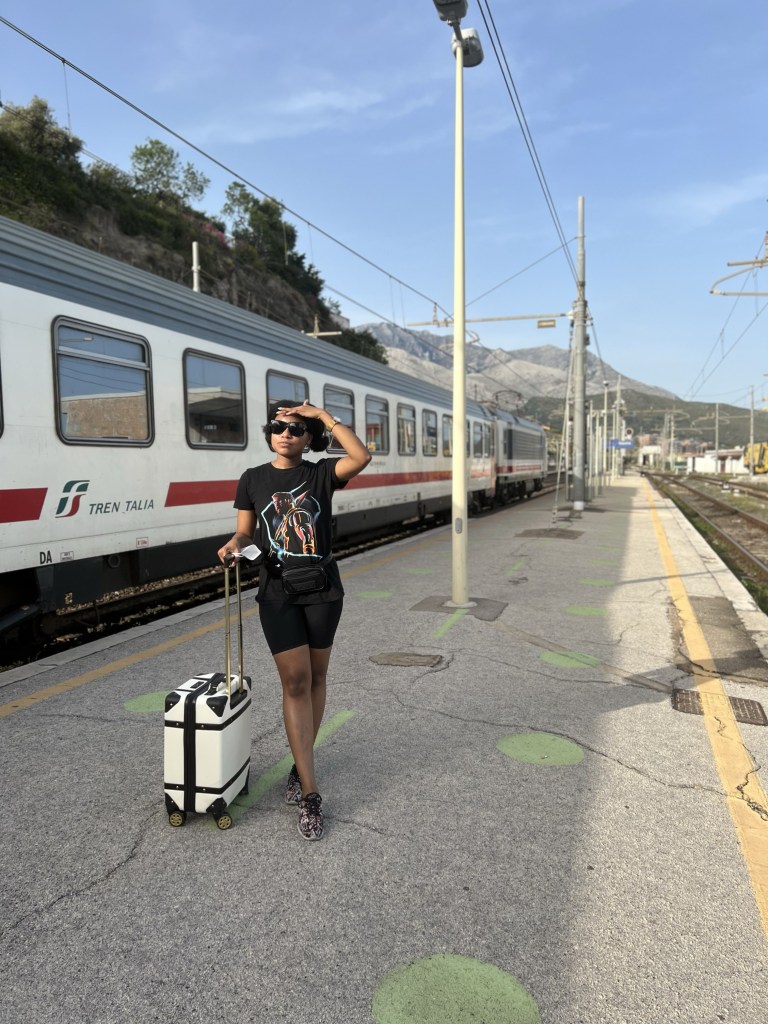
Alighting a train in Italy. People seem to mind their business on Italian trains too (surprisingly)

There is more to say about tube transportation in London. Eye contact with fellow passengers is considered awkward, so look everywhere but directly into the eyes of your fellow passengers. Secondly, and this is the case for buses too – do not start a random conversation with your fellow commuters. I repeat, do not start a random conversation. At best you’ll get someone who doesn’t think you’re are a nutter (cray cray) give a one word response, nod or awkward smile. It’s just not the thing. Public transportation in the UK is not where to seek out vibrant conversation. Is it absolutely impossible, of course not. Is it as prevalent as is the case back home in Nigeria, absolutely not. The motto is, seat down and mind your business.

There is one thing that may, however, spark the spirits of a Lagos commuter turned London commuter. Running for buses and trains is still a thing especially if you lack patience and don’t want to wait for the next one or according to the time table, if you miss this one you’d be waiting a long time. This is your opportunity to revive the vigour of public transport entry you may have missed. Run! Put your now latent hustling skills to use and run!

A voyage across the English Cotswold

The Impractical Immigrant Guide to Life in the UK: The Sin of Spontaneous Visits

There is a spontaneity and unannounced nature to the social sphere in Nigeria which is anathema to Brits and British residents. I make a distinction between Brits and British residents here on purpose because I believe this hatred for a type of spontaneous socialisation is often quickly imbibed by new immigrants (i.e. British residents), interestingly/suspiciously.

Contemplating in Bath Spa

So what am I talking about? Those who’ve grown up in Nigeria will likely understand the phenomenon where one can casually visit a friend completely unannounced and be welcomed with an open door and open arms, and maybe even a plate of food. There’s a constant, relegated, expectation in every host’s mind that a visitor may arrive at any moment. Of course, these visits are timed when a host is likely to be home such as after work or on the weekend. Also, the visits are usually made by visitors who live reasonably nearby, which means disappointment of perhaps not finding a host at home is not taken too badly. The visitor can easily retrace their steps back home with little harm to energy, fuel or finances. In other words, there is sense in the spontaneity; it’s not harebrained. Another thing that makes these surprise visits fairly common is the ‘outside’ nature of life in Lagos I believe. It’s warm, and verandas, patios etc are common. People can easily see your presence whilst walking down the street and decide to ‘branch’ by for a visit.

Magnolias in Oxford

One thing to confess is that I am, to be honest, depicting my life as a kid in the 2000s. With the over abundance of mobile phones and the magneticism of social media, it is very possible people are now more inclined to insular, non-wandering lives and would rather binge watch some K-drama than gallivant the streets, conducting surprise visits!

That said, in the UK, visiting even a family member unannounced is probably as bad as snatching a wig off someone’s head. You don’t do it. You just don’t. You need to give notice that you will be presenting yourself before launching into someone’s home and life. Spontaneous visits are an insult and will be greeted with a cold reception or an obviously fake welcome. No one arrives unannounced at anyone’s home twice as the first time will forever scar the untrained visitor. A relative based here in the UK once told me of a time he spontaneously visited a friend he’d gone to high school with in Nigeria unannounced. He’d only just moved to the UK and was unaware of these little subtleties. Well, suffice it to say that the friendship dwindled from that day on.

Coronation vibes in Wiltshire

To be fair, I will say I have witnessed unannounced visits, usually by young people, in villages or small towns in the UK. The kinds of places you can let your children wander off with no fear. The norm though is to give notice before casting your shadow on anyone’s door.

I mentioned how it’s interesting that new migrants imbibe this British disgust for unannounced visits so quickly, myself included, as I would be genuinely upset if anyone just popped up at my door for a visit without prior warning. I wonder if this suspiciously quick acceptance of this very British proclivity is because immigrants from uber welcoming cultures probably low-key resented the pressure of unannounced visits. On the other hand, I can’t imagine this is the case in the average Nigerian home, as if there’s one thing a Nigerian will do, it is to tell you the truth, in the most unembellished, direct way possible.

The Impractical Immigrant Guide to Life in the UK: Minor Mishaps

Trying to understand life (in the UK)

There is quite a lot of information out there on practical information, such as complex visa proceedings and passing the Life in the UK test, when it comes to living in the UK. Though I am a Nigerian immigrant, I will be of zero help when it comes to such practical and obviously necessary information as I moved to the UK as a teenager over 15 years ago and I know things have massively changed since then when it comes to starting life in the UK legally (things have probably also changed hugely on how to start life here illegally but again I am certainly of no help there either!).

So with 15+ years under my belt as someone who has lived, and I daresay thrived, in the UK, I thought it’d be fun, if not useful, to recount some of the things that helped me get to a place where I can call the UK, specifically England, home.

The very English town of Bath Spa
  1. The Brits are just different

Let’s start by stating the obvious. Cultures are different. No matter how much you’d want a Brit to be as easily readable as say a Nigerian, it is unlikely going to happen. British people are less expressive, less dramatic and not as forthcoming as the average Nigerian. This means for the Nigerian fresh off the plane, there will likely be plenty of awkward moments as you try to relate with the generally inscrutable Brits. Some people would even say the British can be two-faced, I personally wouldn’t be so blunt, but one thing is for sure, you will need to grow your ability to discern what a British person really is saying or what they really think of you as they seldom just blurt it out unashamedly as your Nigerian friend would. Just because that colleague of yours says ‘interesting’ a lot in response to all your tales doesn’t actually mean they believe so.

Let’s not get paranoid here, the British speak English so it’s not like you are having to navigate a new language, it’s more cultural than anything else and as time goes on you’ll figure things out. The contrast between British and Nigerian folks is more apparent when dealing with strangers or acquaintances. Whereas you can comfortably and warmly have a full blown, non-alcohol induced, conversation with a Nigerian stranger you meet on the street for the first time back home it is less the norm here.

One scenario that often flabbergasts the non-Brit from an expressive culture is the Brits’ response to a relatively minor mishap or emergency. Case in point, you’re happily walking up the stairs in a London underground station and all of a sudden you trip and fall, almost cascading down the flight of stairs. You expect a yell of panic from at least a couple of fellow commuters and for a small concerned crowd to gather round, helping you up and asking effusively if you’re ok. Well this is unlikely to happen, in fact, it didn’t happen as this event actually involved me a few years ago – I was the one who nearly tumbled down the stairs in a busy station. I was unceremoniously ignored, as people nonchalantly clambered up the stairs around me continuing their journeys completely unbothered. I found this experience hilarious, as at the time I’d lived in the UK for a good few years and was not particularly horrified or shocked by the seeming lack of concern.

It is only until recently I understood what was happening in the average British mind in such a situation. I believe the reason British people ignore minor mishaps is because they do not want to draw added attention to what is already an embarrassing situation. By completely ignoring you, the British are helping you save face. You will find that there are times when you try to help someone who you think needs help and they brush you off embarrassed. You’ve unknowingly broken a sort of social code by reaching out to help someone who can clearly help themselves. Now in scenarios where the mishap is far from minor, the response is very different, still not dramatic, but much more care and concern is shown.

Selfridges, with an English Guard bear

As a new immigrant to the UK, do not expect the daily entertaining melodrama that seems to be the case in bustling cities like Lagos.

Speaking of cities, as a caveat, you will notice cities in the North of England tend to have more of that warmth that is familiar in Naija.

A word of encouragement to the new immigrant – don’t let anyone make you feel weird because you are straightforward, easily excitable and possibly theatrical. The British are used to Nigerians at this stage as they are surrounded by us, so just as we are learning their styles of being, they have and are learning ours. You are not as foreign as you think.

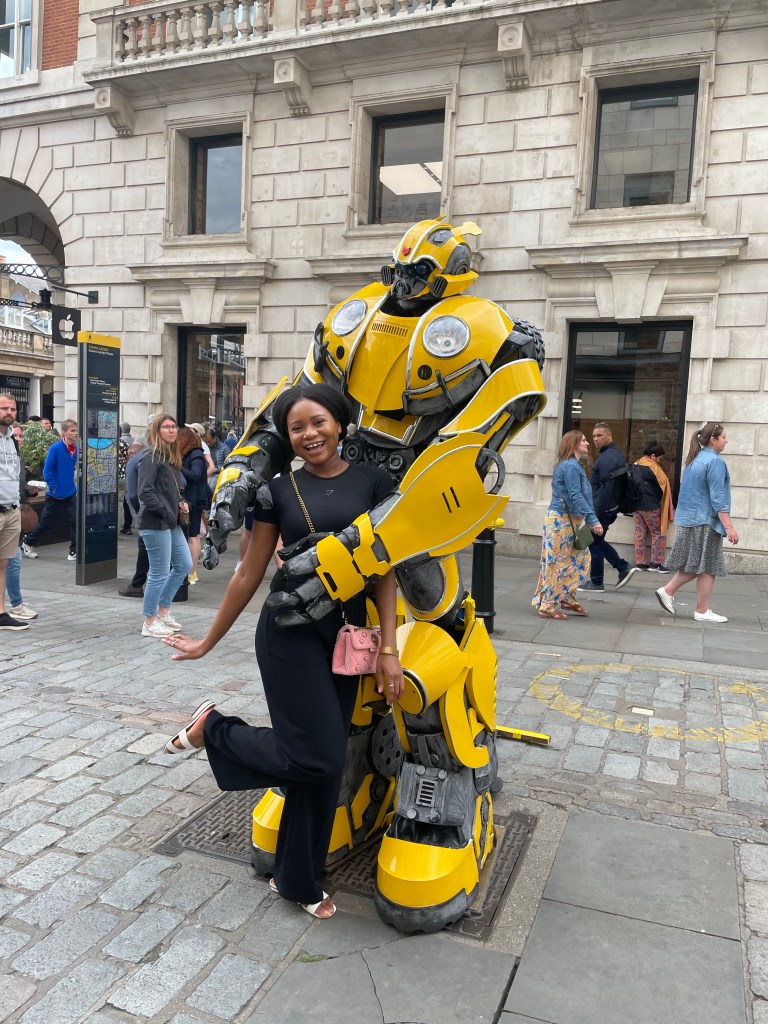
Covent Garden, with a robot

Common sense should tell us (apologies for the directness, I am Nigerian afterall, this apology, though, highlights my Britishness) that the above hosts generalizations and not every Nigerian or Brit fits the above stereotypes but life in the UK will show you that these generalizations are more true than not.

Next impractical tip loading..

Back 2 Nigeria

I haven’t been to Nigeria since before the pandemic but had a lovely reason to return this Summer. My lovely Mum turned 70!

So I landed from the month-long trip in Cape Town, South Africa, unpacked and repacked back home in London to fly to the continent again, this time going West, to the most populous African nation.

I now tend to have a mixture of feelings when going to Nigeria as it’s so different to life in England which I have become used to. I often joke with friends that I have to switch off my England brain and switch on my Lagos brain. My Lagos brain is hyper sensitive, quick on its feet, a mean haggler and a smooth talker, it can get away with anything and smell deceit miles away.

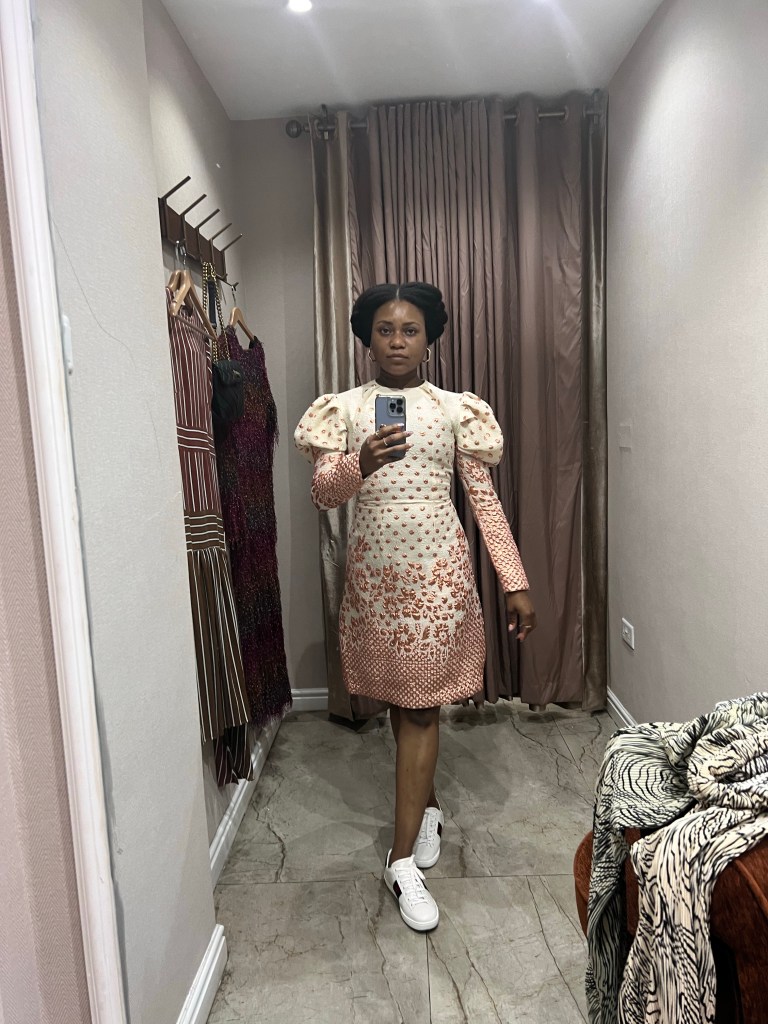
I went shopping at The Ladymaker, a Nigerian Fashion House on the Island and got what is now one of my favourite dresses. The kind of dress that people stop you in the London Underground to ask where they can get one. The shop is small but well stocked with a nice variety and I stopped by when they were having a sale. This was great because the clothes are pricey.

Trying on dresses!
The dress behind me on the mannequin was the One 🥰
The Ladymaker

Next up my brother took me to Orile, a boutique restaurant in Lekki Phase 1. It has beautiful decor, think raffia and grass. I ordered some traditional Ofada rice which was delicious but I couldn’t complete devouring as I forgot I can’t handle hot food. I struggled on for a bit until it felt as though my mouth would burst into epic flames. So I let it go..sadly. The smoothie was great though!

Orile ambience
The deliciously hot Ofada
The cooling smoothie 🥵

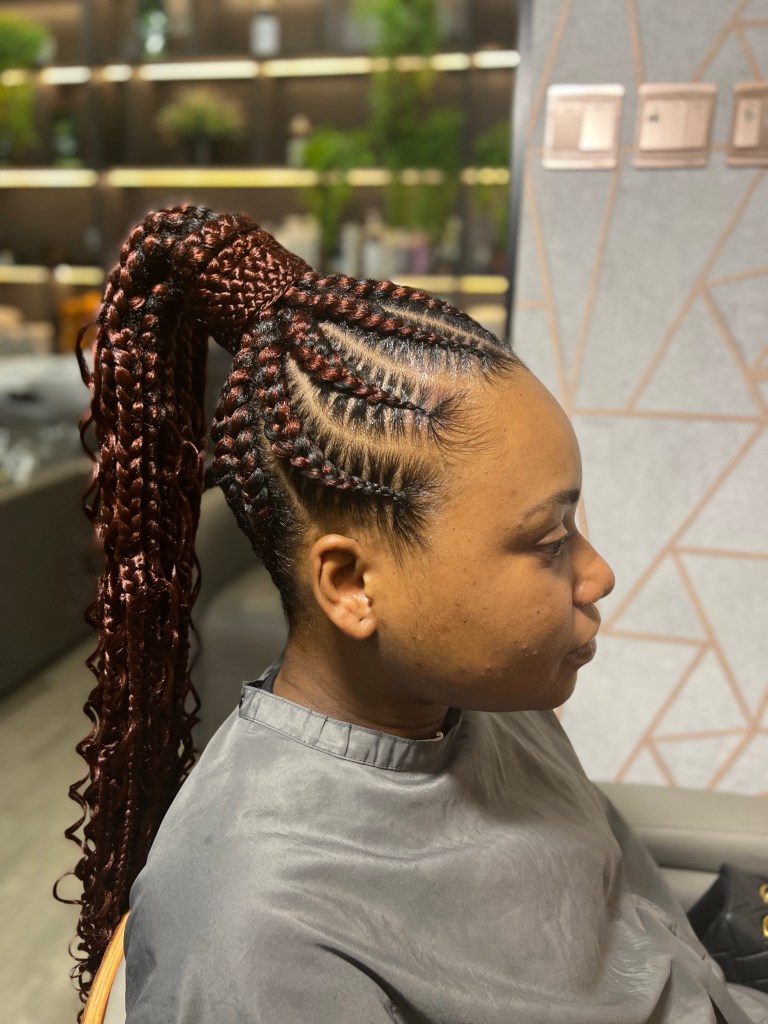
A final experience of note was getting my hair done at Bloom Hair Atelier also on the Island. Now I don’t trust people with my hair but had been following the salon on Instagram for a while and was convinced from what I saw that they knew what they were doing when it came to Afro hair. So I set off for what was to become one of my best salon experiences in a while. The stylists are incredibly knowledgeable and polite. They are so considerate that when I had to tilt my head to an awkward angle so they could braid the side of my head, they brought a rolled up towel to wedge between my neck and shoulder to place my head on!

Additionally, the salon is aesthetically beautiful and stocked with contemporary hair equipment such as their soothing steamer which you lay back to experience. I highly recommend visiting this salon.

Braiders at work
End result
Close up

Going back to Nigeria this time showed me how much I have changed over the years and made me question and settle on where home really is for me.

Yoruba girl

University of Cape Town, on the Cutting Edge

I got to spend a day at the renowned University of Cape Town here in South Africa and was impressed by a number of things. I believe the last time I was at a University building was when I was completing my Bachelors programme in the North of England.

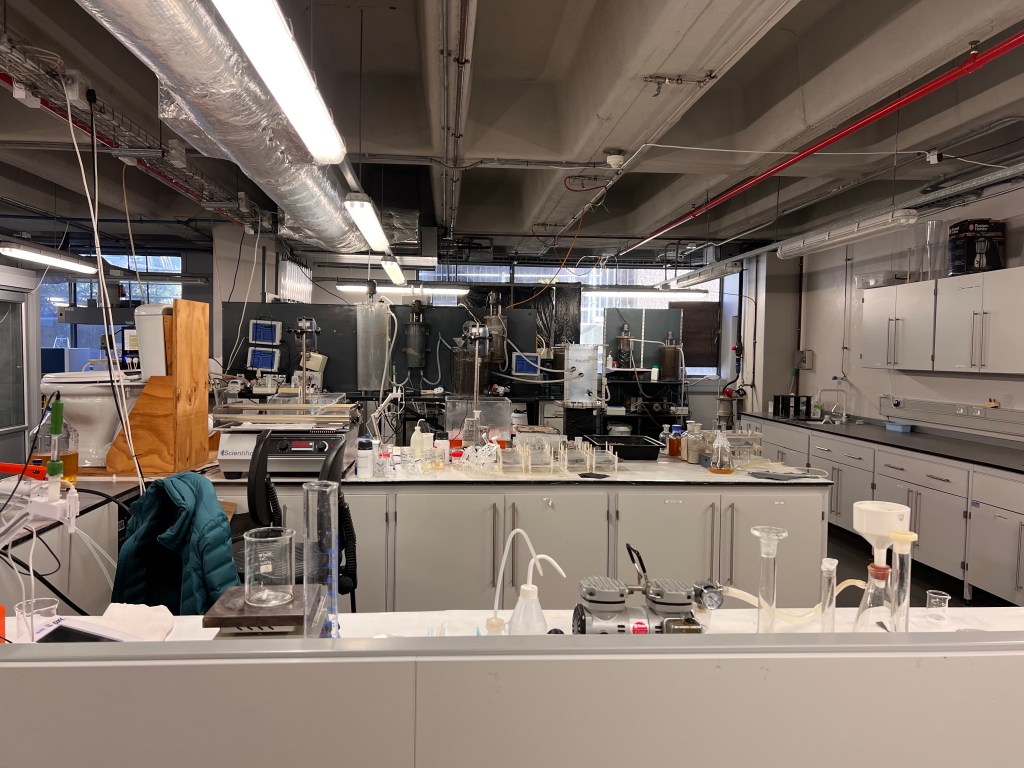
The Lab I spent most of my day in

The University of Cape Town was a pleasant surprise. To my embarrassment, I’d never even heard of the University. Having spent only a couple of hours there I was wishing I knew this place existed when I was 19 years old and trying to decide where I would go to University.

Firstly, the University of Cape Town is located in the most stunning of settings with the formidable Table Mountain hovering over it.

Secondly, it is a very diverse University setting with over 100 nationalities represented as we were told by the Vice Chancellor, Mamokgethi Phakeng. The diversity is obvious as students of all colours course through the University’s buildings.

Mamokgethi Phakeng

Thirdly, interesting and much needed research is being held at the University. I spent the day within the Civil Engineering Faculty learning about research based on Water. I was at a lab using Urine (yes, you heard correctly) as it’s main base to find solutions to fertilisers and even sustainable building materials.

I now have my Bachelors and also my Masters degree. I do not plan on getting a Doctorate at the moment, but if I did, I would highly consider the University of Cape Town.

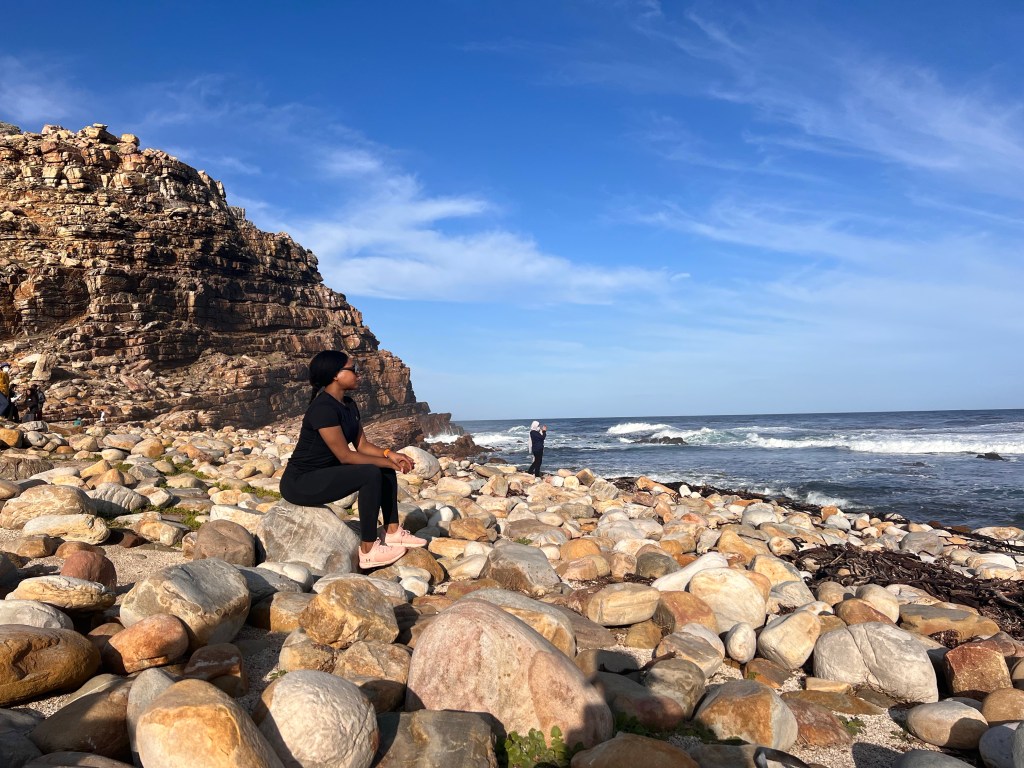
Cape of Good Hope

Today was a day of significance and firsts.

The significant bit is I got to the southern most part of the African continent today! I feel like such an explorer. The Cape of Good Hope is right at the tip of the continent and is spectacular to behold. It is characterised by furry, green hills on one side with ostriches and Elands. On the other side, it is bedazzled by the sea with crashing waves to boot. Jutting into the waters are layered rock formations.
In terms of firsts, I saw Ostriches. They are as intimidating as they seem on screens. Tall, nonchalant and feathered to a T!

Though not a first, it is worth commenting on. I witnessed a Baboon, with a baby Baboon on its back, wrestle some sort of cardboard object from a woman’s hands. It had attempted, and failed, to steal the woman’s handbag but succeeded in snatching the cardboard object instead. The theatrics of it all, amidst the dramatic beauty of the Cape of Good Hope, added a magical tone to the unfortunate incident.

Happy Birthday Madiba!

This day, 104 years ago, a hero was born. To think I get to reflect on the life of Nelson Mandela while in Cape Town, a few kilometres from where he was imprisoned for believing in the equality of all people regardless of skin colour, is definitely a humbling experience I never foresaw.

South Africa has never been on my list of countries to visit. I did not want to grapple with the reality of being on my continent but in a country where Black people still face prejudices…..on their own soil. This has always baffled me and made me super uncomfortable and as such avoidance felt best.

However, here I am now, due to the responsibilities of work, feeling grateful to be on the same soil that the great Nelson Mandela once trod. To be in the country that birthed him, on the day he was birthed, over a century ago..

The social stratification by skin colour is optically evident in Cape Town. There is much to personally unpack and understand about the past, present and future of this nation. Today, though, I choose to celebrate the legend that was born on this day.

The elixir of life and should one climb Table Mountain?

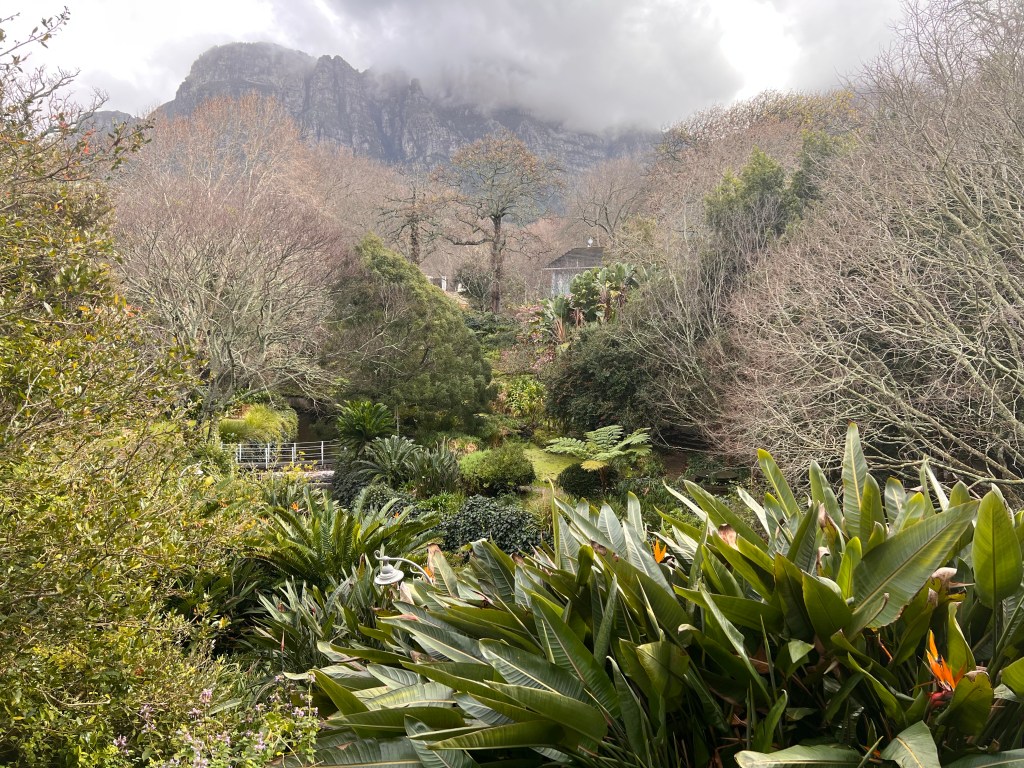
It’s a few days in the lovely Cape Town with my idyllic room looking up at the magnificent beauty that Table Mountain is.

Discussions with colleagues have naturally drifted to the topic of possibly hiking up Table Mountain, one of the most iconic jewels of South Africa. One of us is an avid climber who reassures me I am fit enough to hike the steep trail up in about an hour.

Thing is, I hate walking and hiking and prefer running. Running up the trail happens to be out of the question as the outcome will likely be me being evacuated by an emergency rescue flight. I however cannot pass up the opportunity to journey up the trail. Let see…

On other news, I got quite ill today, and I am now cooped up in my room till health is restored. In high spirits though, as I am certain health will be quickly restored and my adventures in the southern-most capital city in the world will re-commence! Triumph is inevitable!

Health Elixir

30 Days in South Africa

It’s absolutely atrocious that my last post was in 2020!

I have missed the pleasure of writing (almost) everyday.

However, I have had more reasons to put pen to paper than before (not that one needs a reason to soliloquise on paper!).

One of those reasons is Cape Town. This city is absolutely stunning and my window, fortunately, overlooks the back of Table Mountain. How can I not be inspired! And, rather unusual for me, I will be here for a long time. The longest I have been away from home since 2013.

A glimpse of outside my window

I am in the perfect location for capturing thoughts, musings and philosophisings.

A water fountain and it’s mountain companion

I am a bit rusty with this writing thing but I want to give it a go again and hope you’ll journey with me.

30 Days in South Africa

Abuja, Nigeria – Nigeria’s Northern Star

When I think back to my time in Abuja, what comes to mind first are the long shadowy boulevards we drove down during our time there. Abuja is a stunning, comparatively calming state in sharp contrast to Lagos. Lagos and Abuja are like the stereotypical siblings, one is lively and boisterous the other melancholic and easy going. 

Abuja is only a 45 minute flight from Lagos and costs an average of 40,000 Naira ( circa £80)for a return ticket.

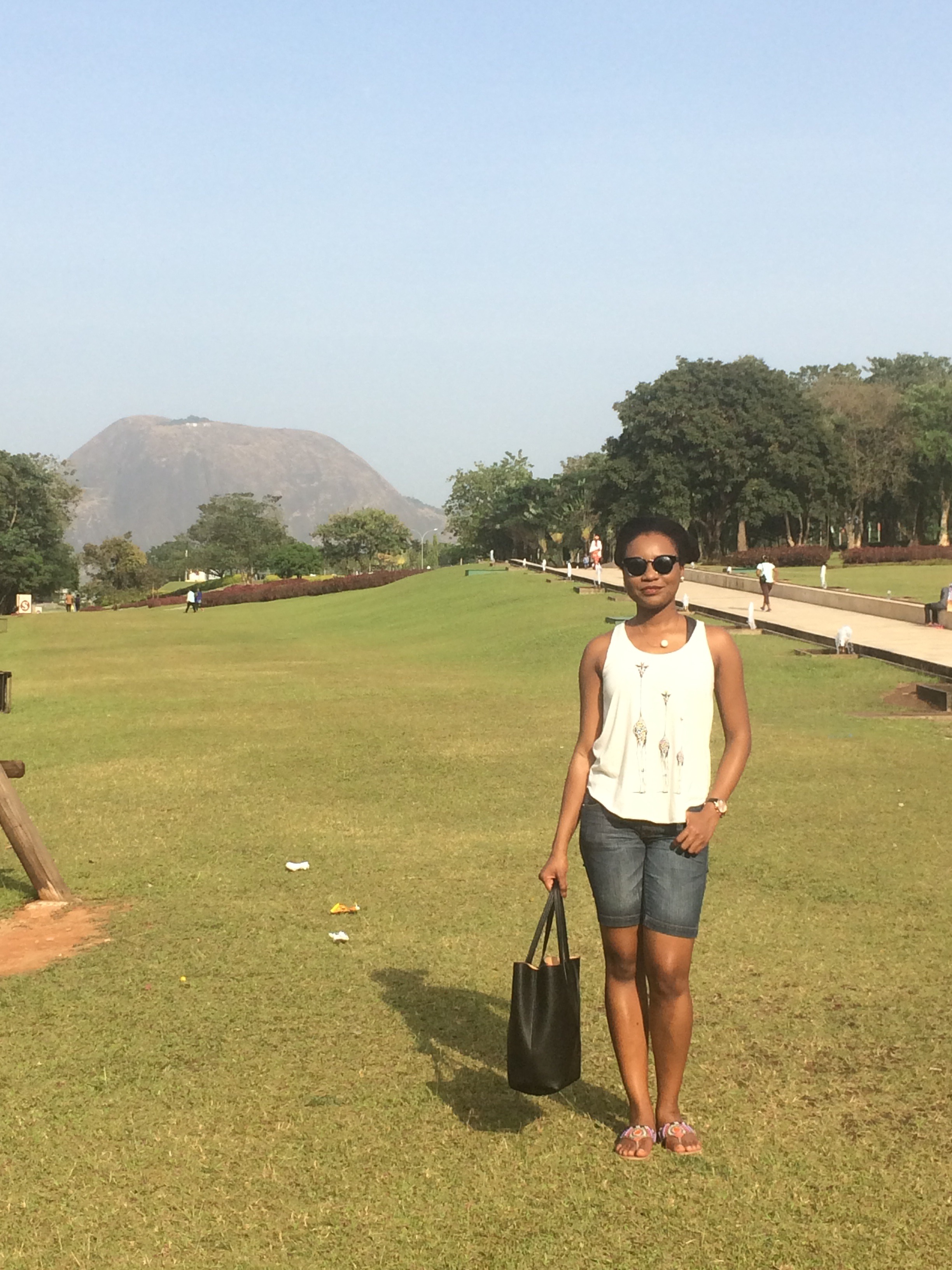
Millenium park – rock photo bombs majestically


Abuja is rocky, hot (most times) and sparsely populated. It really is a breath of fresh air from chaotic Lagos. It’s always nice getting out of the city and experiencing more of natural beauty. In Abuja, nature is closer though it’s a political hub and the capital state of Nigeria. 

Asides the memorable boulevards, Nkoyo, an authentic restaurant we visited was another highlight. The restaurant was beautiful and served delicious food. The staff were also very helpful and polite.

Inside Nkoyo

Edikaikong and pounded yam

Jollof and Fried rice with some fish


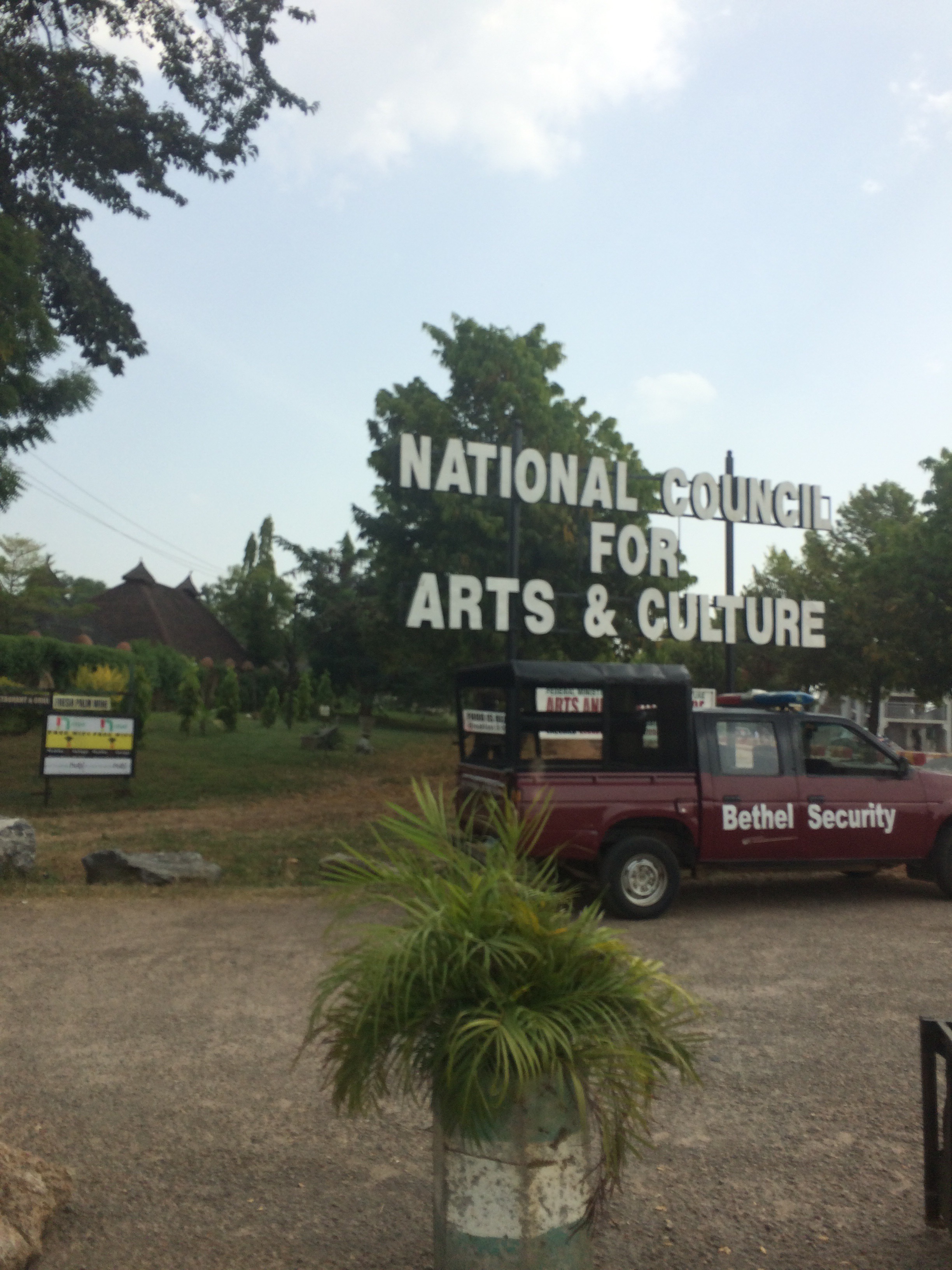
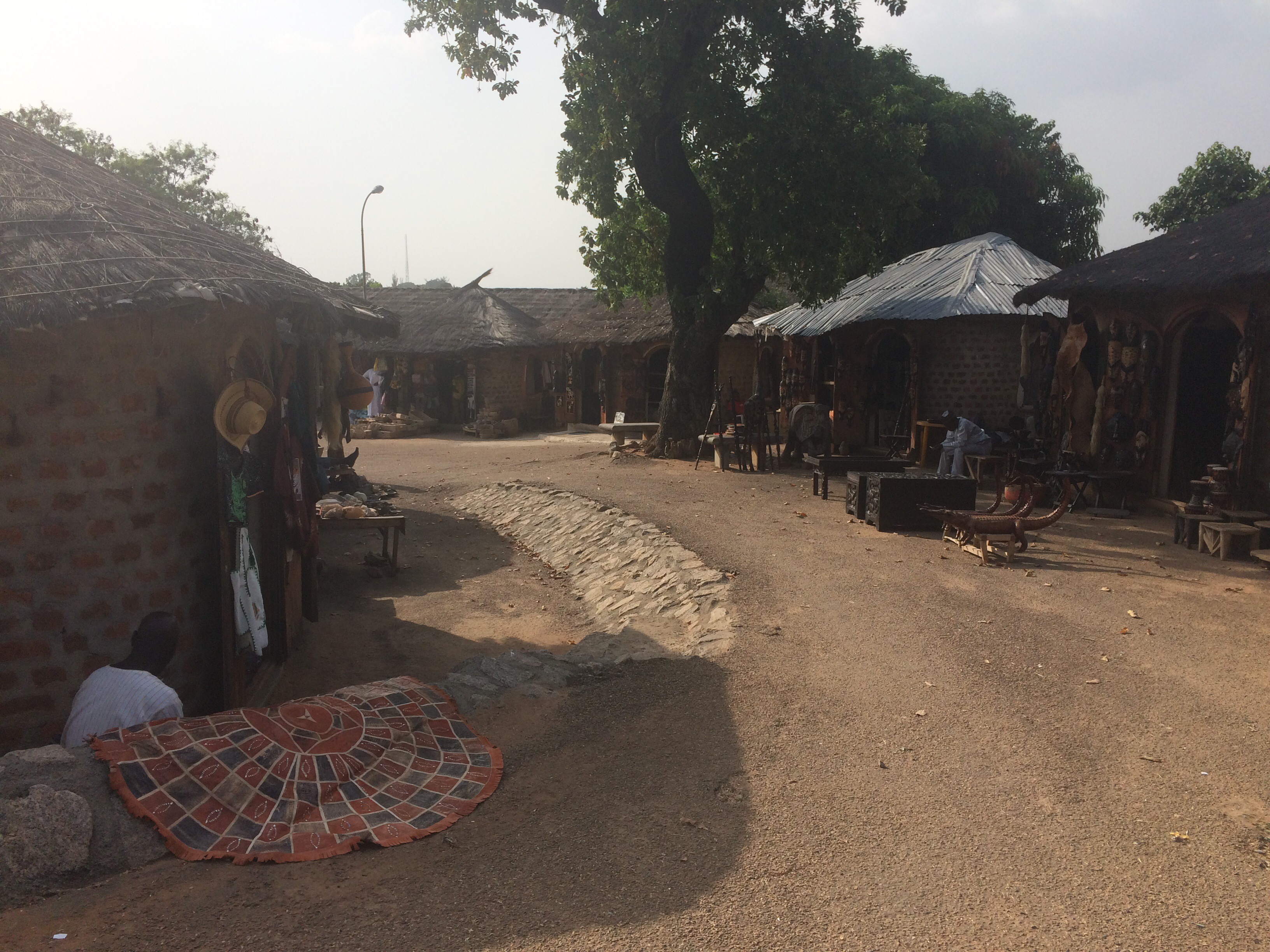
To get those souvenirs that prove your travel but also, and more importantly, to experience a bit of Nigerian artistry, it is a must that you visit the Arts and Culture Village in Abuja. We spent ages just strolling though the mini huts and watching artists at work. To be honest, many times we escaped into cool shady huts just to escape the unforgiving heat and sun pummelling us. 

The Arts and Crafts Village


Artist at work

Cassava Republic


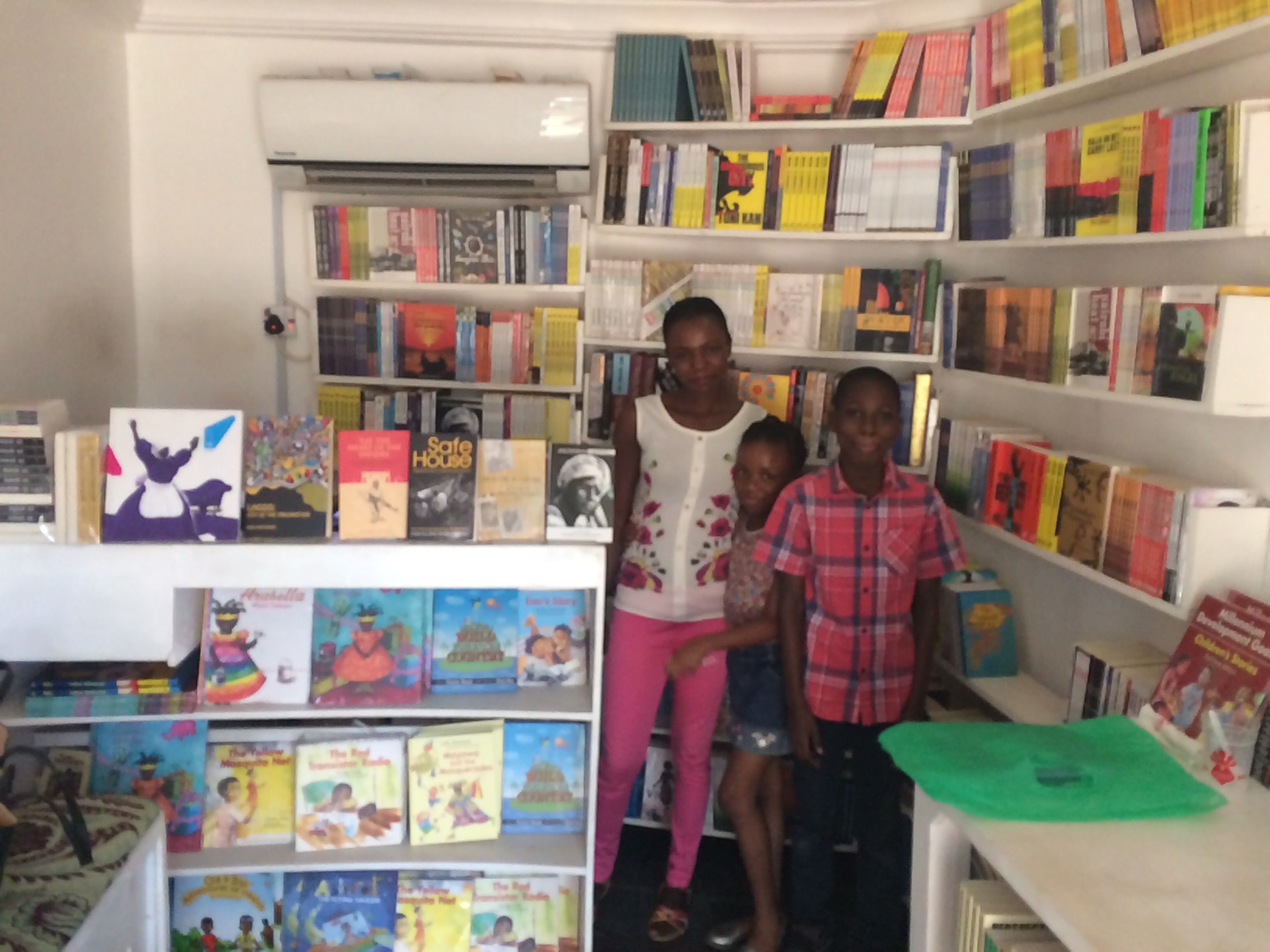
At the Crafts village, there was a tiny bookshop called Cassava Republic selling an array of books centerimg round Africa and Africans and I was in heaven! My little niece and her friend were also quite pleased with the children’s books available. Cassava Republic is also a publishing house, all the books in the shop were published by them.

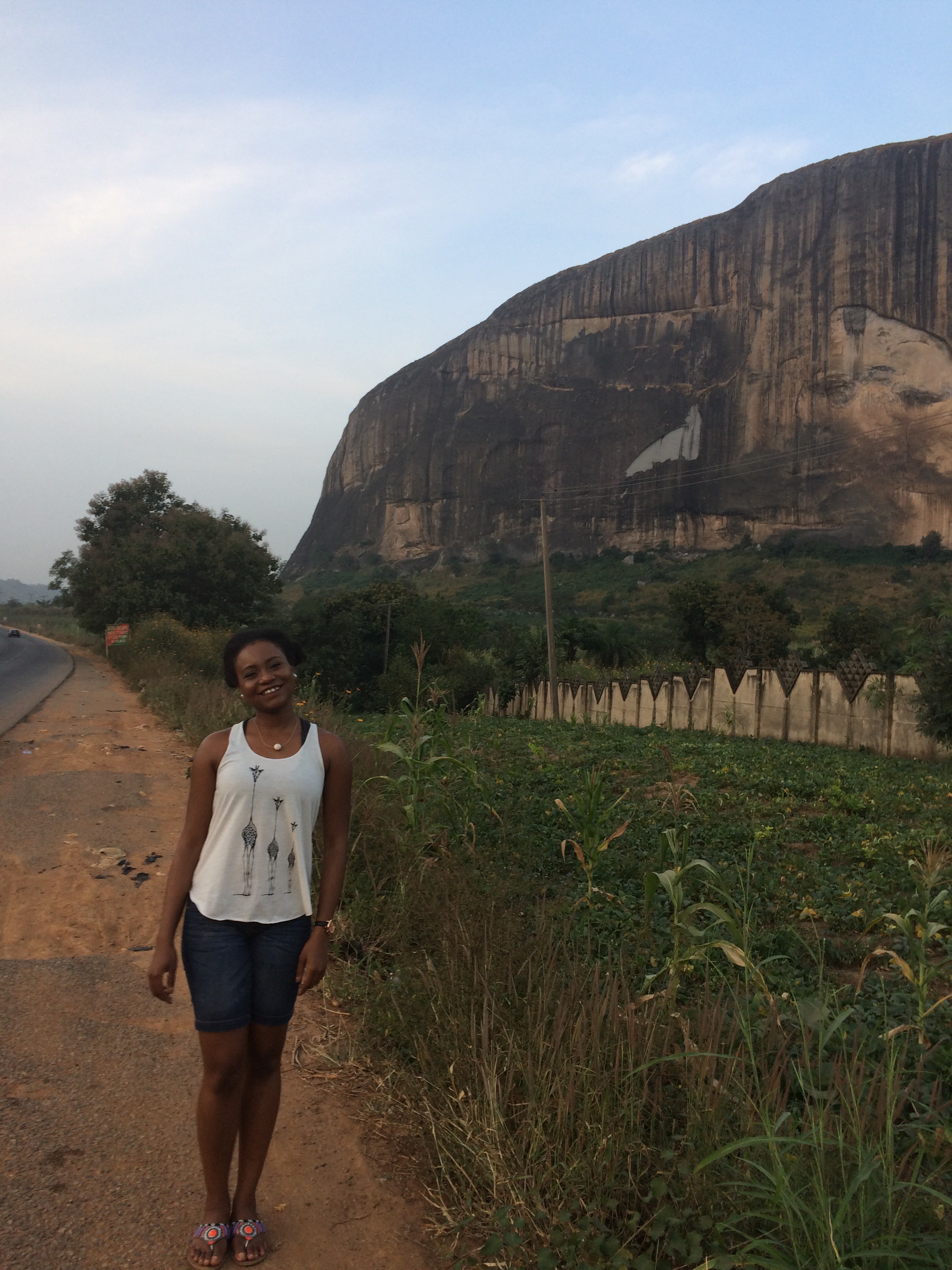
For many Nigerians, Zuma rock is the image that represents Abuja. The rock also features on the nations 100 Naira note. Surprisingly, I found out that Zuma rock isn’t actually in Abuja but in the neighbouring colossal Niger State. The rock is just outside the North of Abuja in Niger. For some reason though, Abuja has claimed the rock as its pride and joy.

Almost better than getting to the rock was seeing it in the horizon as we drove towards it. It’s a huge charismatic monolith which definitely leaves more of an impression than any of the other rocks I saw that decorates Abuja (perhaps why Abuja doesn’t make corrections when people suppose it’s actually situated within its territory…). As many things of grandeur in Nigeria, the rock has its own superstitious stories attached to it and hearing them as we approached the rock almost made me turn back – but I found my courage.

Zuma rock approaches

Gateway to the North East


Zuma Rock

My first voyage to the North of Nigeria was incredible. It reminded me, once again of how vast this nation is and the variety of beauty on offer.

Millenium Park